

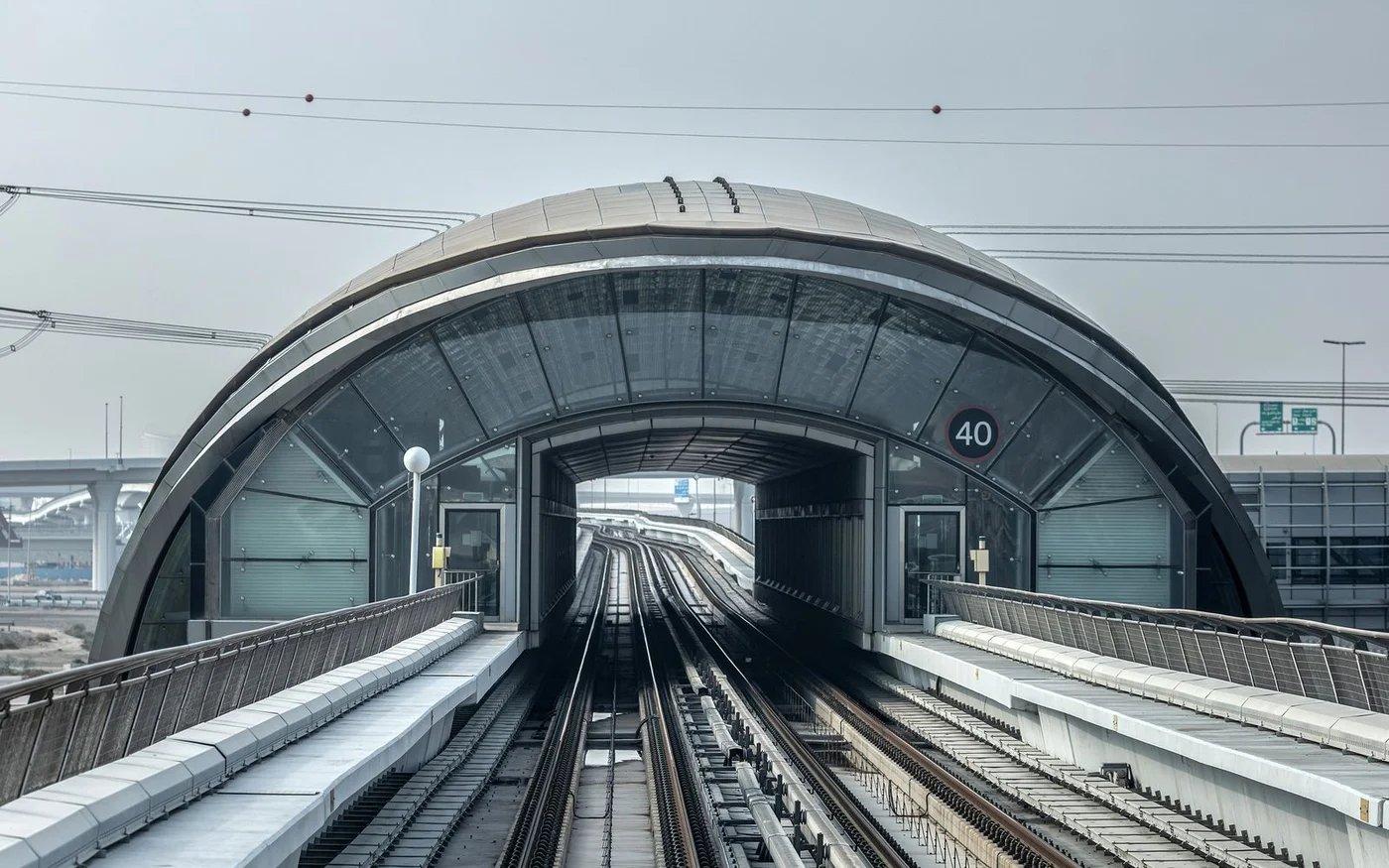
Ask which door and station exit are used in a listing’s walk time. A pin on a tower or a station tells you where the building is, while your route may involve a footbridge, a podium or a crossing on a different street. Start at the entrance residents use, walk to the entrance for your station and record what is included in the time. Then check the return journey. The route that works during an afternoon viewing may use a door or shopping centre you would approach differently before work or late at night. RTA’s operating station map
JLT: Start with the published exit, then check your tower
For an event at JLT Park, the community’s directions specify Sobha Realty Metro Exit 1 and a five-minute walk through Cluster R toward the venue in Cluster Q. That is an estimate for a particular route and destination. If you are viewing a nearby apartment, use the named exit as a starting point and check where you would leave the park route for your tower. Include any steps, ramps and doors between the promenade and your building. If you want a walk time to the platform, continue the timer after reaching the station entrance. JLT’s published park directions
The same guide describes step-free access to the event from the promenade. If you need a step-free trip from home to the train, check the sections on either side of that route as well. Ask the building manager which entrance is accessible and confirm the station approach you can use. A step-free destination can still involve a different path from the one suggested for the shortest walk. JLT’s event access notes
Dubai Marina: Follow the overpass from the station you will use
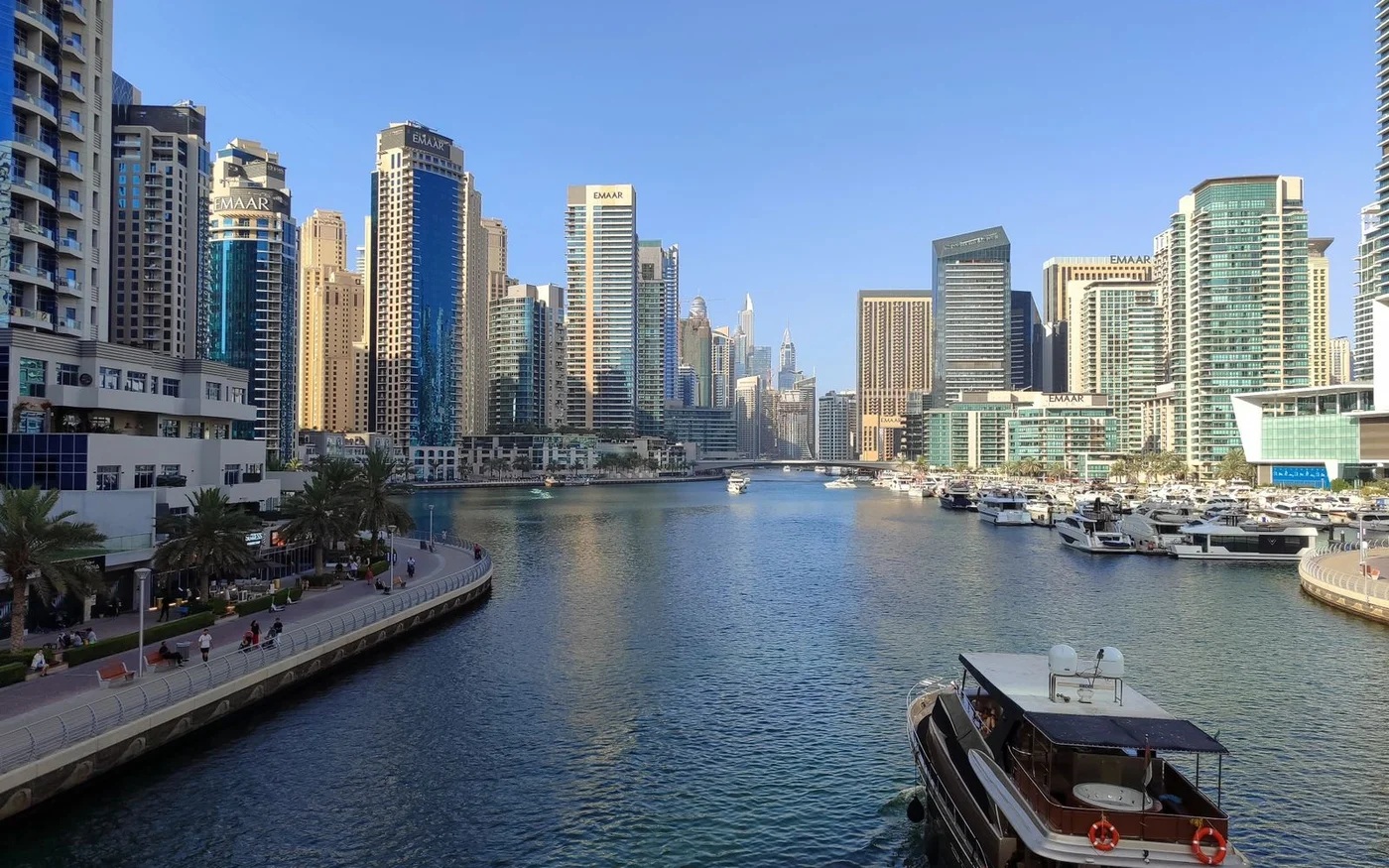
Dubai Marina Mall tells Metro passengers to alight at DMCC and walk across the overpass. Its directions separately identify the Dubai Marina Mall tram stop. If you are looking at an apartment near the mall, use the overpass as a fixed reference and check where you would join or leave the route. Starting from the mall entrance and starting from a tower door can produce different walks, particularly if the tower entrance faces away from the crossing. Dubai Marina Mall directions · RTA station map
The mall publishes a ten-minute walk from the Marina Promenade bus stop. That estimate is for the bus approach. For the Metro approach, the mall identifies the crossing but gives no duration. If you see a time in a listing, ask which station and starting point it uses. Walk the route once in each direction and include the time to reach the overpass. If a second property uses a different station approach, time it from its own door on the same basis.
Downtown Dubai: The link bridge is a defined stretch of the trip
Dubai Mall identifies its Metro Link Bridge entrance on Level 2 near the Fashion Catwalk. Emaar puts the walk between Burj Khalifa/Dubai Mall Station and the mall at approximately 829 metres via the enclosed bridge. That distance is useful because the endpoints are stated. For a Downtown apartment, add the route from your own entrance to whichever point you would join the connection. If you use the mall as part of that route, check which door and level are available when you leave or return. Dubai Mall’s directions to the Level 2 link · Emaar’s published bridge distance
RTA has announced an expansion of the station, including changes to entrances and pedestrian bridges and additional escalators and lifts. Use the current entrance when testing the walk. If the path you plan to use depends on the announced work, ask RTA for the current access arrangements before including it in your timing. For a household with two different departure times, it can be worth checking both. The same connection can feel different when the concourse is busy or you need to reach it using a lift. RTA’s station expansion announcement
Al Barsha: Check where the enclosed route gives way to the street
Mall of the Emirates says its Red Line station connects directly to the mall by an enclosed overhead walkway, with the mall link on the first floor. If you live nearby, check whether you can join the station route from the street or whether you would normally go through the mall. If you choose the mall route, walk from the building to the door and from the door to the first-floor link. Ask which public entrance is available at your usual travel time. The enclosed walkway covers one part of the trip, and the remaining part depends on the address. Mall of the Emirates operator directions · Visit Dubai’s Al Barsha transport guide
Time the walk in segments you can repeat
Record two times for each home. The first is from the building entrance to the station entrance you would use. The second adds the time from that entrance to your platform. If you want a full door-to-train estimate, start at your apartment door, include the building lift and note the train wait separately. These endpoints make the comparison repeatable. If an agent says the station is six minutes away, ask whether that estimate starts at the lobby or outside the complex and whether it ends at the station door, fare gates or platform.
- Choose the building exit. Ask which door residents can use at the time you normally travel. If a shortcut uses a podium or another property, check who can pass through and when.
- Choose the station approach. Identify the line and entrance on the side of the road you need. Write down the station name as RTA lists it. Confirm where you cross the road or join a bridge.
- Time the outside leg. Walk at the pace you would normally use, including waits at crossings. If you pause for something unrelated to the trip, record that separately.
- Time the inside leg. Check the route to the right platform. Allow for the lift or escalator you intend to use, gates and any level changes. Keep the wait for the train on its own line.
- Repeat in the other direction. Start at the platform or station exit, using the same endpoints as before. Check whether the return path uses the same doors and crossings.
When a station has multiple exits, save the number or a landmark by the one you used. In JLT, the park directions specify Sobha Realty Exit 1 through Cluster R. At Dubai Mall, the published mall-side landmark is the Level 2 link near the Fashion Catwalk. These details let you compare the route you actually tested with the route in someone else’s estimate. For the onward rail or bus leg, enter the time and destination in RTA’s planner and check whether you need to change services. JLT route directions · Dubai Mall link entrance · RTA journey planner
Check the step-free route and the hours it works
RTA describes lifts and side access gates designed for wheelchair use at its stations. Check the approach from the pavement to the specific entrance as well as the route inside. A station lift helps once you can reach it. The path from a home may still include a kerb, a stepped shortcut or a lift that belongs to a different operator. If you use a mobility aid or travel with a pushchair, try the route with the person and equipment it needs to accommodate. Ask the relevant operator about access if you cannot confirm a segment. RTA’s station accessibility information
For a route through a mall, write down which part is an enclosed station link and which part uses the mall’s own doors or corridors. Ask the mall operator which entrance is available at the time you need to travel. If you cannot confirm it, test a route from the street as a fallback. When comparing homes, keep the shortest route you found separate from the route you can reliably use. The second can be the more useful one for an early start or a late return. Mall of the Emirates link information · Dubai Mall link information
Keep future stations out of the current walk
RTA includes a Dubai Creek Harbour station in the Blue Line project and lists the line as ongoing, with scheduled completion in 2029. If you are comparing homes now, time the trip to an operating station or test the feeder connection you would actually use. Put a planned station on a separate line in your notes and include the date of the announcement you checked. A planned station pin can help you understand a proposal. The eventual walk will depend on where the entrances open and which roads and paths connect to them. RTA’s Blue Line project record · RTA’s scheduled completion information
Compare the times on the same basis
Suppose you time two homes for a weekday commute. From the first building’s street door, the station entrance takes six minutes. It takes another five minutes to get through the station and reach the platform. From the second door, the outside walk takes eight minutes, while the platform is two minutes farther. The first home is two minutes closer to its station entrance. The second gets you to the platform one minute sooner. These are hypothetical times. Use the same pace and include the same stages when you test the homes yourself.
| Segment | Home A | Home B |
|---|---|---|
| Building street door to station entrance | 6 min | 8 min |
| Station entrance to platform | 5 min | 2 min |
| Total to platform | 11 min | 10 min |
| Train wait | Record separately | Record separately |
Repeat the timing at the hour you would normally leave. If you expect to travel during the peak, allow for the crossings and the lift or gates you encounter then. Write down anything unusual, such as a lift closure or an event crowd, rather than treating one result as a fixed time for the address. A second observation can show which part varies. If the station approach is consistent and the queue inside varies, you can leave a margin for the station leg without adding it to the outdoor walk.
Check which trains serve the destination you need before deciding that two stations are interchangeable. Use the operating network map, then check the full journey at the time you travel. A faster walk to one station can still involve a longer ride or a different interchange. If you compare a Metro-only route with a tram or feeder bus connection, include the transfer walk and the wait in the second route. Keep both sets of figures so you can see whether the difference is the approach to the station or the rest of the journey. RTA network map · RTA journey planner
Use the published links as landmarks
| Area | Published approach | Check from your address |
|---|---|---|
| JLT | Sobha Realty Exit 1 through Cluster R to the Cluster Q park event | Where you leave that route for your tower and whether the path works in reverse. |
| Dubai Marina | DMCC Metro overpass toward Dubai Marina Mall | Which side of the crossing your tower uses and how you reach the station entrance. |
| Downtown Dubai | Enclosed station link to Dubai Mall, Level 2 near Fashion Catwalk | How you join the link from home and which doors you can use at your travel time. |
| Al Barsha | Enclosed overhead connection to the first floor of Mall of the Emirates | Whether the street approach or the mall route suits your building and travel hours. |
If a listing offers a single distance, ask for the path used to get it. A straight-line figure can help you find a property on a map. To plan a walk, follow the actual crossing and entrances and record the distance along the path if you have a reliable way to measure it. When a mall or community operator gives a number, keep it beside the endpoints they specify. An estimate for a park or a bridge is useful when it overlaps your route. Measure the remaining distance from that point to the residential door you intend to use.
For the return, pick a time when you would actually come home. Check the signs to the exit and walk back from the platform if that is the segment you measured on the way out. If you find a shorter approach that only works during opening hours, record that condition. If you depend on a lift, save the alternative accessible entrance you confirmed. Put the route and time in your viewing notes together so you can compare the next home without forgetting which doors and crossings were included.
Keep a record you can check again
For each viewing, write the date, the entrance you started from, the station entrance you used and the time at each endpoint. Note the crossing or landmark that identifies the route. If you timed an alternative, label it with the reason you would use it, such as avoiding stairs or travelling outside a mall’s usual hours. If access is uncertain, leave that route unconfirmed until you can ask the operator or walk it again.
When you revisit a building, use the same starting point and test the part that mattered most. For one household that could be the lift from the street to the bridge. For another it could be the return from the station after an evening shift. An extra test at the right time gives you a better basis for comparing homes than another estimate based on the station pin.
If you share the comparison with someone else, include the route notes with the times so they can repeat the walk at their own pace.
Comments (0)
No comments yet. Be the first!