

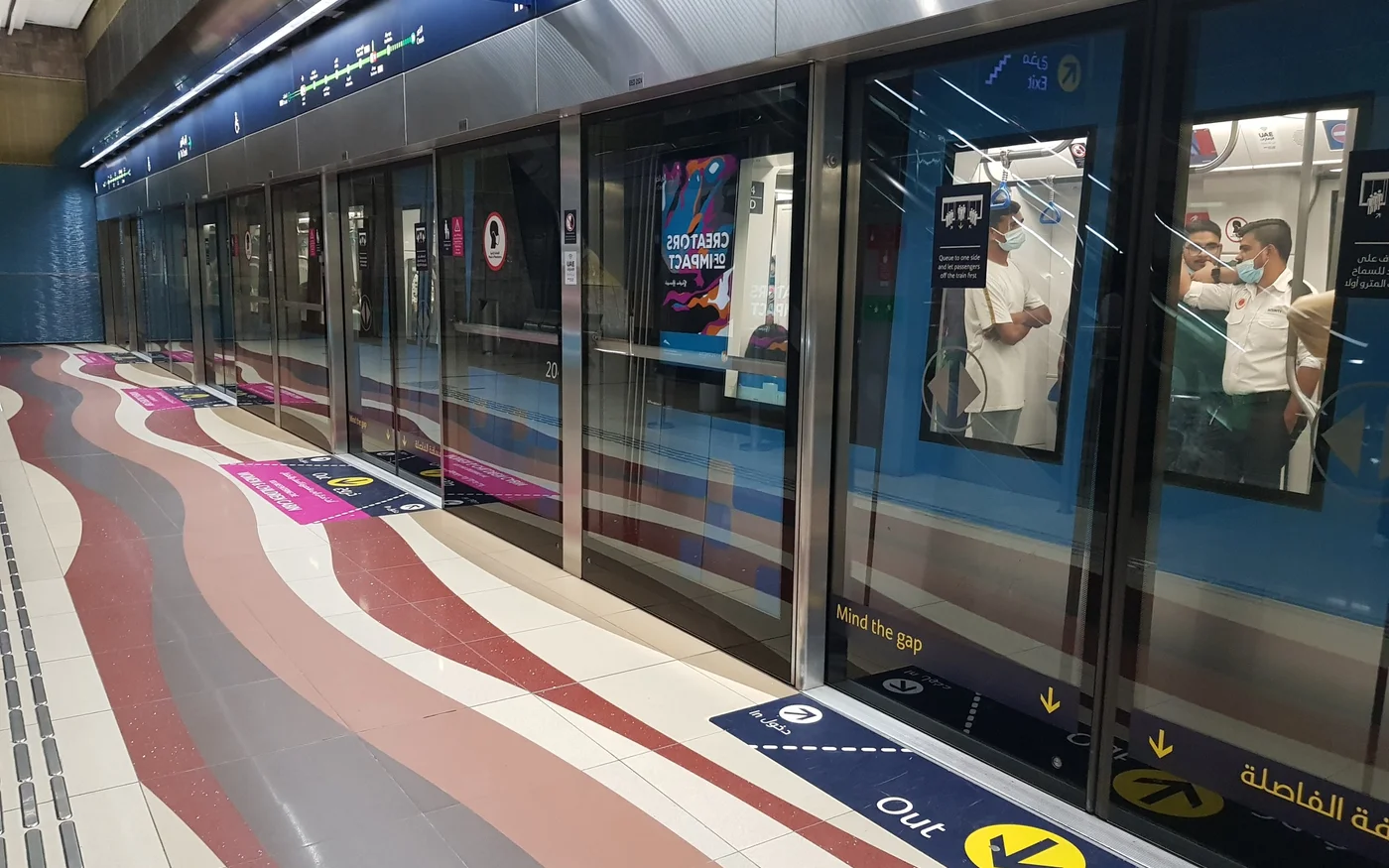
At a Dubai Metro station, the useful changes often happen before you see a train. A brighter exit sign helps you leave on the right side of the road. A repaired escalator makes a climb from the concourse to the platform easier. A footbridge or better pavement can change which entrance makes sense in the first place. These are different projects, and they move at different speeds. Downtown’s planned expansion at Burj Khalifa/Dubai Mall is another case again: it concerns how many people the station can move through its entrances, fare gates and platforms.
This guide follows the journey from the street to the platform. It uses published milestones through 6 November 2026. Where the work is finished, the guide explains what it changes for a passenger. Where an upgrade is under way or agreed, use the existing station layout and check the latest service information before setting out.
Start on the right side of the road
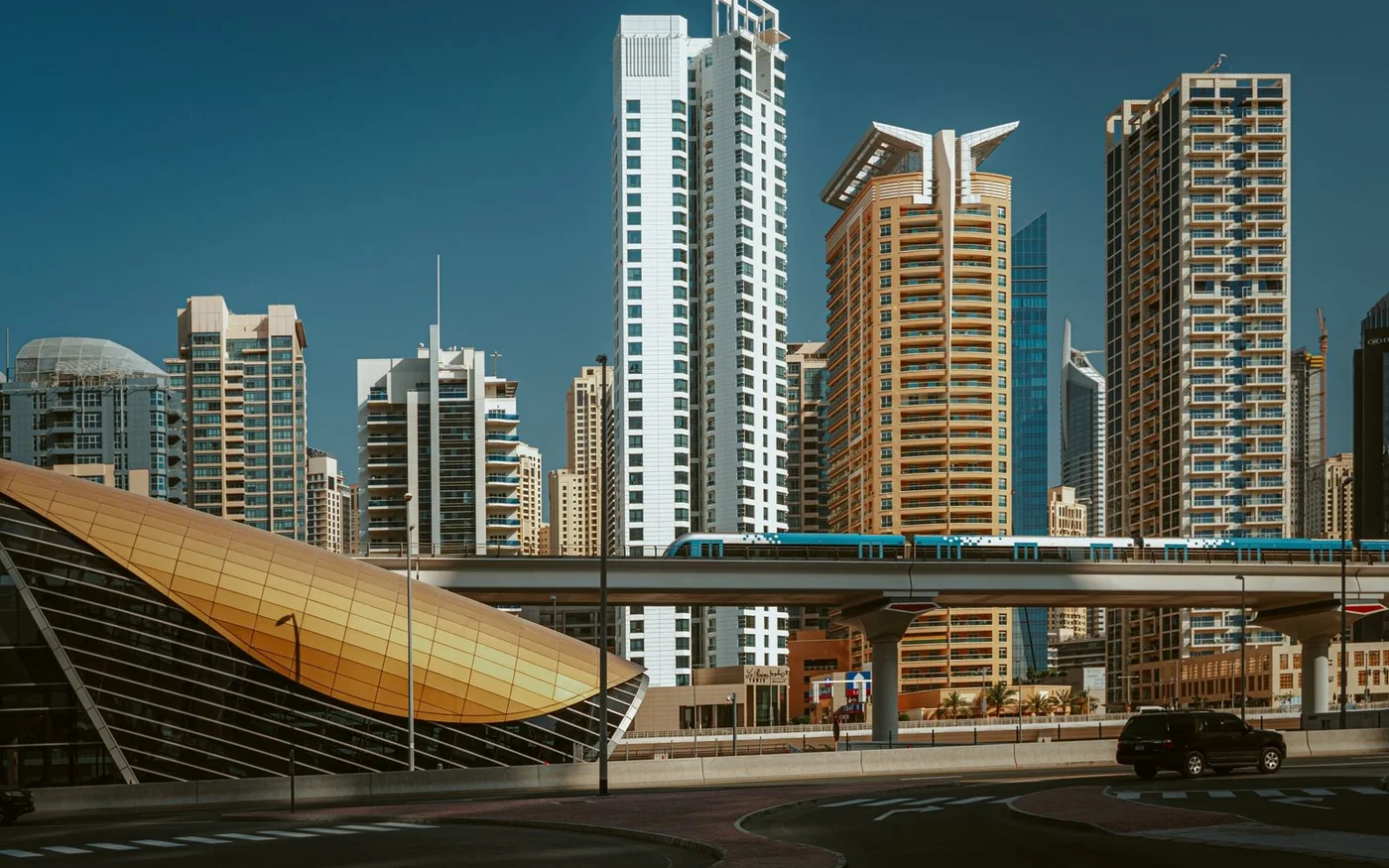
RTA’s 19 July 2026 update says it has already improved the streets and public spaces around 37 Metro stations. It names Mall of the Emirates, Burj Khalifa/Dubai Mall, ONPASSIVE (now being renamed Garmin), Gold Souq, BurJuman, Baniyas Square, Sharaf DG and Abu Hail among them. The completed programme included pedestrian and cycling paths, pavement work, crossings, accessibility features and space for shared transport. RTA lists these features across the programme. The notice does not give a station-by-station inventory. RTA July access programme update. RTA’s Garmin renaming notice gives a September–November 2026 transition for signs, apps and announcements.
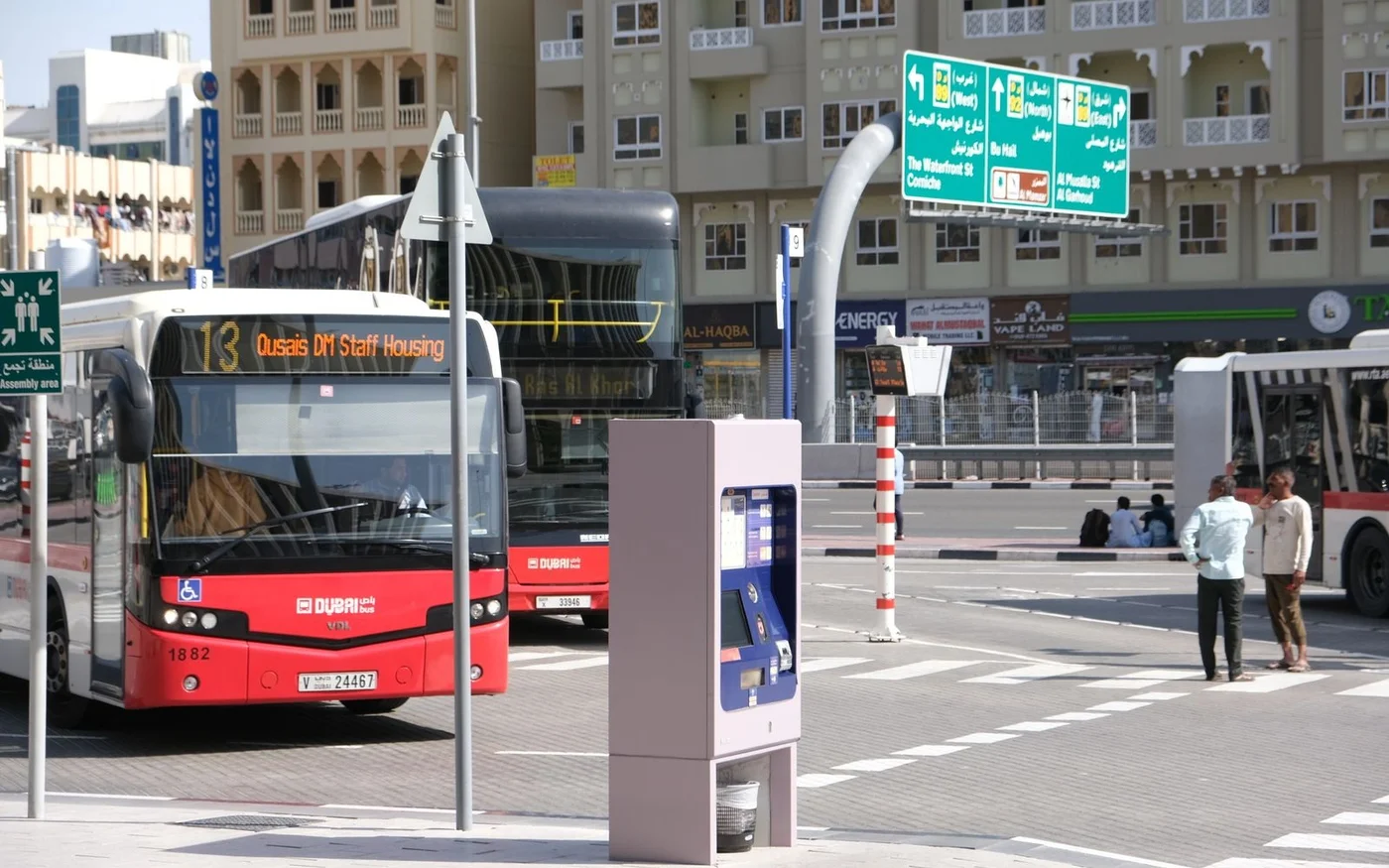
To use that information, begin with the building entrance you need and work backwards. At a station by a major road, confirm which side the destination is on and where a bridge or crossing comes out. If you are changing from a bus, check the name of the arrival stop. Two stops associated with one Metro station may put you at different ends of the pedestrian approach. If you are meeting someone, agree on a street-side landmark or a point inside the station. Sending the station name alone leaves them to guess which exit you meant.
The same July announcement sets out a five-year plan covering 25 residential areas and 63 public transport stations. It includes measures such as cycling routes, better crossings, shaded paths and bicycle parking. Think of that as a forward programme. For a specific trip today, check the existing path and the entrance you can use, particularly if a bicycle rack, shaded stretch or step-free crossing determines your route.
How the signs help inside the station
RTA reported completion of a network-wide wayfinding project in August 2025, replacing about 9,000 signs. The update introduced yellow boxes to make exit signs easier to identify, along with clearer directions to platforms and floor markings. This is a change a rider can use even without knowing a station well. Read the sign for the direction you need before committing to an escalator or following a crowd through the gates. When you get off the train, check the exit sign before leaving the concourse. RTA wayfinding completion notice.
At an interchange, check the line and the train destination together. BurJuman and Union connect the Red and Green lines. If you are changing trains, follow the interchange signs inside the station. If you are leaving for a bus or a destination on foot, follow the exit that brings you closest to that onward leg. On a first visit, leave yourself time to read the signs and find the right level. On the Red Line, pay attention to the train destination where your trip depends on the branch. A line colour gets you to the right part of the station, and the destination tells you which train to board. RTA station and line map.
Escalator maintenance and the lift route
RTA and operator Keolis MHI reported in July 2026 that 262 escalators had been overhauled, representing 63% of Metro station escalators in the authority’s account. The work included checking equipment and refurbishing or replacing parts such as handrail belts, drives and motors. RTA says work took place mainly overnight or in scheduled maintenance periods. That figure is a delivered maintenance milestone. The release does not give an equipment list for each station or a live status for a particular escalator. RTA July escalator overhaul update.
RTA’s passenger guide describes lift access to all Metro station levels. It also lists tactile guidance and wheelchair space on trains. A step-free trip still depends on your chosen entrance, the lifts that connect the levels you need and the route from the destination station. If lift access determines whether you can travel, ask about the entrance and the connection you plan to use. At a transfer, include the time to find the lift and wait for it. A journey planner’s train times alone do not tell you how long that part takes. RTA Metro facilities and passenger information.
For example, on a trip from a bus to the Green Line via BurJuman, check the path from the bus stop to the station and then to the platform. Do the same for the destination exit. If the appointment is time-sensitive, look up an earlier train and compare the difference it makes to the overall journey. This is especially useful when you are travelling with a wheelchair, a pram or a bag that makes stairs impractical. Where the signs show several ways to the same platform, follow the one that suits your needs.
The lighting upgrade is still under way
On 27 October 2026, RTA reported that it had replaced 17,880 of 44,700 lighting units with LEDs, putting the current project at 40%. The first two phases covered footbridges and passenger and operating areas on the Red and Green lines. Phase three includes facilities such as car parks, tunnels, extension buildings and power distribution stations. RTA’s project page gives 2027 as the expected completion year. RTA October lighting update. Lighting project tracker.
The 40% measures lighting units across the project. Some work is in passenger areas, while other equipment is in parts of the system riders never enter. It cannot be read as the percentage of stations where a passenger should expect a newly lit entrance. If your trip includes a footbridge or an evening walk, use the station’s open entrance and marked pedestrian path. For a recurring late trip, the useful comparison is between the available exits and the onward walk, particularly where the station spans a wide road.
What the Dubai Mall station expansion would change
RTA and Emaar signed an expansion agreement on 15 January 2026 for Burj Khalifa/Dubai Mall station. The published scope increases the floor area from 6,700 to 8,500 square metres, expands the concourse and platforms, improves pedestrian bridges and entrances, adds lifts and escalators, and separates entry gates from exit gates. The wider layout addresses several points where crowds can build up on the same trip. A bigger concourse gives people more room after the gates, while separate entry and exit flows can make it easier to move in opposite directions. RTA January agreement announcement.
The Dubai Media Office gives a planned hourly capacity of 12,320 passengers, up from 7,250, and a daily design capacity of up to 220,000 after completion. These are the published capacity figures. The station remains on RTA’s ongoing project list, and the sources reviewed give no opening date for the expanded layout. The operating station remains on the Red Line map as R25. For a Downtown trip now, plan around the available entrances and exits and check any event-specific service or access notices close to travel. A station’s capacity target does not tell you how long a walk or a queue will take on a particular evening. Dubai Media Office expansion figures. RTA ongoing project listing.
Check the part of the journey that can change
| Situation | What to check |
|---|---|
| You need a step-free trip | Confirm the street entrance, the lifts to the right platform and the destination exit. |
| You are transferring to a bus | Look up the full stop name and departure, then allow time from the platform to the bus bay. |
| You are leaving a busy event | Check the event-day operating notice, boarding arrangements and the final departure for your direction. |
| You are choosing between two entrances | Compare the pedestrian crossing or bridge and the distance from the exit to your destination. |
Use RTA’s live journey and timetable information to plan departure and arrival at your station. For a late trip, look up the last usable train for your direction and any connection you need. If you are meeting someone after the train, agree on a point on the street side where you both need to be. If a lift or entrance is essential, ask for the specific station and entrance rather than relying on general network facilities. RTA timetable.
At the gate, the applicable fare depends on your nol product and the zones you travel through. RTA lists Silver pay-as-you-go fares of AED 3 within one zone, AED 5 for two adjacent zones and AED 7.50 for more than two zones. For a qualifying Metro-to-bus transfer, RTA gives a 30-minute interval between checking out of the Metro and checking in on the bus, subject to its transfer limits. Include the walk to the bay if you are counting on making that connection. RTA nol fares and transfer conditions.
What to save for three different trips
A Downtown visit. Save R25 and the entrance or pedestrian connection you plan to use. When you leave the station, use the signs for the mall or your intended street exit. On the way back, check the time you need to leave the venue to reach the platform, including the walk and time to pass through the gates. The last train time matters at the station, so build the walk into your departure from the venue.
A change between lines. If your itinerary offers either Union or BurJuman, compare the complete route through to your destination. A change that seems shorter on a network map can involve a longer wait at your actual travel time. Save the Green Line direction and check it when you reach the second platform. If you use the lifts, allow enough time at the interchange to find the connecting lift route.
A Metro-to-bus commute. Save the street-side stop and the bay or stop number alongside the rail station. If the bus is infrequent at the time you finish work, check what time you need to leave the train platform to make the bus. If you are meeting someone who arrives by road, give them a point outside the correct exit. The nearest location for a pick-up may involve a different route through the concourse from the one you use on foot.
For a regular journey, save the station entrance you use, the correct platform direction and the exit at the other end. Add the bus bay if the trip continues by bus. Those details are easy to reuse and easy to revise when a temporary closure changes the walk. For a station undergoing a larger upgrade, keep the same route until an operator notice tells you which new facilities are in service.
Comments (0)
No comments yet. Be the first!